Ad Blocker Detected
Our website is made possible by displaying online advertisements to our visitors. Please consider supporting us by disabling your ad blocker.
You drift into a cool, quiet room where a memory foam topper waits like a soft horizon just out of reach. You’ll want to weigh brands, trials, and densities before you commit, because a topper isn’t one-size-fits-all and the right pick can transform sleep without breaking the bank. Still curious which routes—direct-brand sites or retailer marketplaces—offer the best mix of value and ease? Let’s compare options that align with your priorities.
Key Takeaways
- Look for direct-buy toppers from brands like Saatva Graphite, Nolah, ViscoSoft, and TEMPUR for cooling tech, trials, and strong warranties.
- Check official brand websites for legitimate, factory-direct products with extended trial periods (e.g., Saatva 60–180 nights).
- Compare retailers offering price ranges and return policies: aim for options with generous trials and free shipping/returns.
- Consider reputable online marketplaces or brand sites that provide CertiPUR-US or equivalent certifications for safety.
- Read user reviews and warranty terms to ensure performance, support, and easy returns before purchasing.
What Memory Foam Toppers Are and When to Use Them
What exactly is a memory foam topper, and when should you reach for one? You’re getting a 1–3 inch layer of visco-elastic foam that sits on your mattress, adding a cushy buffer without replacing the bed. If your mattress feels too firm or you wake with aches, a topper softens the surface and distributes weight more evenly, reducing pressure on hips, shoulders, and knees. It molds to your body, supporting spinal alignment while absorbing movement so you don’t disturb a partner. Durable and hypoallergenic, it resists dust mites and mold, extending mattress life. Use it to revive an old, sagging bed, to soften a firm mattress, or to create a temporary sleeping surface for injuries—without committing to a full mattress replacement.
Cooling-Focused Materials: Graphite, Copper, and Gel-Infused Foams
Graphite, copper, and gel-infused foams each target heat in different ways, so you’ll feel how their cooling mechanisms shape comfort across toppers. Graphite pulls heat away and boosts airflow, copper distributes warmth for steadier temperatures, and gel-infused foams regulate heat while retaining contour. Together, they address the temperature-trapping tendencies of memory foam, but the best choice hinges on your sleeping heat patterns and preferred feel.
Graphite Cooling Mechanisms
Have you ever wondered why graphite keeps cooling topsheets overnight? Graphite’s high thermal conductivity draws heat away from your body, regulating temperature and preventing overheating all night. It absorbs warmth and moves it toward cooler areas of the mattress, balancing the surface. As the foam spreads heat, you avoid hot spots, thanks to graphite ribbons or powder woven near the top for effective dissipation. The cooling system works in layers: graphite draws heat, foam disperses it, and breathable covers let air escape. Graphite-infused memory foam tackles heat-retention, contours to reduce pressure on shoulders and hips, and stays responsive. It offers plush support, improved spinal alignment, and reduced partner motion transfer, outperforming many alternatives in cooling without sacrificing comfort.
Gel-Infused Temperature Regulation
Gel-infused temperature regulation builds on graphite’s cooling approach by adding active heat management at the material level. Gel beads act as miniature heat sinks, pulling warmth away from your body and dispersing it across the surface. This infusion prevents memory foam from trapping heat, making it ideal if you sleep hot. Open-cell, high-density gel memory foam boosts airflow, keeping the surface cooler. Gel layers atop foam improve heat dissipation and temperature neutrality, while still avoiding a surface that feels cold to touch. Copper-infused options accompany these gels, wicking moisture and stabilizing temperature for longer cooling. Combined gel-copper hybrids offer better pressure relief, durable rebound, and reduced heat buildup without compromising comfort or surface feel.
How to Evaluate Firmness and Height for Your Sleep Position
How should you judge firmness and height when choosing a memory foam topper for your sleep position? Start with your sleep position and body weight. Side sleepers want medium to medium-firm (5-6) for balanced pressure relief. Back sleepers benefit from medium-firm to slightly firm (6-7). Stomach sleepers lean toward medium-firm to firm (6-8). Heavier weight users may need a firmer feel; lighter weights shift one point softer. For pressure relief, 4-5 pcf density foam delivers spinal comfort, while thicker toppers better support backs and sides without excessive sinking. If your mattress sags, opt 2-3 inches; fairly new beds need 1-2 inches; very worn beds may require 3-4 inches. Combine firmness choice with thickness, considering your mattress condition and weight to preserve alignment and comfort.
CertiPUR-US and Other Certifications: What They Mean for Safety and Durability
CertiPUR-US and similar certifications set clear safety and durability benchmarks for memory foam toppers, but you should look beyond the label to see what they actually test—emissions, content, and durability—so you know what you’re getting. These programs rely on independent labs and annual verifications, which helps ensure consistent quality across products. Still, certifications cover only polyurethane foam and don’t guarantee an organic or fully non-toxic mattress, so consider the broader material choices and barrier protections in your setup.
Certification Scope and Safety
Are you wondering what certification really means for memory foam toppers? Here’s the scope and safety lens you should apply. Certifications address emissions, content, and durability, not a blanket “non-toxic” label. CertiPUR-US restricts ozone depleters, flame retardants, heavy metals, formaldehyde, and phthalates, while capping total VOCs and banning fiberglass in certified foam. OEKO-TEX covers fabric safety, skin-friendly dyes, and broad substance testing for toppers’ covers. Limits exist: foam certification may exclude latex and doesn’t guarantee organic status. Verification is ongoing—annual renewals, random checks, and required lab tests keep standards current. Use official IDs, logos, and PDFs to confirm authenticity, and note that imported foams can still qualify.
1) Certifi cation scope basics
2) Safety focus areas
3) Verification steps
4) Practical takeaways
Durability Verification Standards
Durability verification standards matter because they translate lab tests into real-world performance. You’ll see CertiPUR-US tests emphasize emissions, content, and durability via independent labs, with compression set limits (75% for HR-type and melamine foams at 20.0% max; otherwise 10.0% max per ASTM D3574). Humid aging and annual re-certification keep durability claims credible, while periodic technical updates reflect new science. Renewal happens yearly, with initial testing twice in year one, then annually, plus random verifications and on-site or virtual plant sampling. Nearly 100 global producers undergo checks, and updates align with environmental norms. Compare elsewhere: OEKO-TEX covers fabrics, not foam durability; Made in USA focuses on origin. Use the CertiPUR-US directory and official logos to verify claims.
Direct-Buy Toppers: Best Brands and Why They Matter
Direct-buy toppers matter because you get purpose-built comfort without the middleman markup, choosing brands that back their foam with cooling tech, strong warranties, and trial periods.
- Saatva Graphite: graphite-infused cooling, 60-night trial, 2-year warranty, organic cover ensures secure fit.
- Nolah Mattress Topper: AirFoam for targeted back relief, CertiPUR-US certification, four-layer cooling efficiency, plush, non-clumping feel.
- ViscoSoft High Density: gel-infused, active cooling copper version, 90-night trial, 5-year warranty, strong value with solid test scores.
- TEMPUR-Adapt Topper: durable, soft but supportive, longstanding reputation, heat-conscious design for long-term comfort.
Price, Value, and Budgeting: What to Expect by Tier
You’ll see how Budget Tier expectations map to real value, so you can weigh features against price per dollar. As you compare ranges, consider what each tier sacrifices or gains in trials, warranties, and material quality. Think of price trends as guardrails for durability and long-term comfort, not just upfront costs.
Budget Tier Expectations
When you’re budgeting for a memory foam mattress topper, expect a clear trade-off between price and perceived value across tiers. You’ll see affordable tiers cluster under $100 with basic comfort, while mid options push $101-$250 for better materials and cooling features. Lower-cost choices often use simple slabs or foam blends, whereas mid-budget items introduce gel-infused memory foam and multiple thicknesses without breaking the bank. Higher-budget entries don’t swing beyond $250 for most queen sizes, yet they deliver enhanced durability and trial periods. The price-to-quality balance remains key: stick to value that matches your needs, not just the lowest tag.
1) UltraBudget picks under $100 emphasize cooling and basic pressure relief.
2) Midrange options around $135-$175 balance gel, support, and trials.
3) 30-night trials are common in budget-friendly lines.
4) Warranties vary, longer on pricier budget tiers.
Value Per Dollar
Value per dollar in memory foam toppers hinges on getting the right balance between price and performance. You’ll find budget options under $100 (Lucid variants, Viscosoft) offer decent cushion and discounts, often delivering 3-star value for midrange needs. At $100–$300, mid-tier toppers improve materials and durability, with Saatva and Nectar models delivering solid long-term performance without breaking the bank. Higher-priced options like Casper, Tempur-Pedic, or Helix push comfort and support, yet can skew value if performance doesn’t match price; Helix still lands low on price value despite strength. The 3–4 lb foam, gel-infused cores, and breathable covers boost cooling and contouring, making mid-range toppers the sweet spot for most sleepers seeking durability and value.
Price Trend Insights
Price trend insights show that tiered pricing aligns with expected performance, helping you budget without sacrificing core comfort. You’ll notice clear tiers: budget keeps you afloat, mid-range adds balance, premium emphasizes longevity, and higher price tags signal top-tier materials and trials.
- Sub-$100 toppers deliver 4–5 stars for value, medium feel, and cool basics.
- $101–$250 generally lands 3 stars with solid contouring and support balance.
- $251–$400 upgrades to best value picks and mid-to-high tier comfort, often with gel-infused foams.
- $349–$500+ marks premium options and extended trials, prioritizing durability and luxury feel.
Use this map to align expectations with cost, ensuring comfort without overspending.
Trials, Warranties, and Returns: What to Look for Before You Buy
Considering trials, warranties, and returns can save you headaches later: you’ll want a topper with a generous trial period, clear minimum usage rules, straightforward return logistics, and a solid warranty. Look for brands with long trials (Saatva 180 nights for toppers, Bear 120 with 30-night minimum), but note restarts on exchanges and any eligibility quirks. Check minimum usage—most firms require about 30 nights before a return—but beware limits like one return for Bear. Return logistics matter: some cover pickup (Helix), others bill shipping or restocking (Saatva $99, FoamOrder 25%). Warranties vary widely (Bear lifetime on mattresses, Tempurpedic 10–20 years, FoamOrder no warranty). Remember: policies fluctuate by retailer and category, so verify brand-direct terms before buying to avoid hidden pitfalls.
Sleep-Position Guides: Side, Back, and Stomach Sleepers’ Topper Picks
Ever wonder which topper best supports your sleep position? Your choice hinges on where you press hardest and how you want to feel at night. Side sleepers get plush relief for shoulders and hips, with gel-infused options smoothing pressure points. Back sleepers benefit from medium-firm support that maintains lumbar alignment and even weight distribution. Stomach sleepers need firmer, higher-density foam to keep hips lifted and spine aligned. Across positions, open-cell memory foam breathes for relief, while copper-infused foams boost cooling. Density and firmness matter: 4 lb for give, 5.34 lb for firmer support, and two firm options in some brands.
- Side: plush, pressure-relieving contour
- Back: medium-firm stability with cooling
- Stomach: high-density, lift-focused
- All positions: durable, breathable comfort
Maintenance and Care: Cleaning, Longevity, and Spot-C Cleaning Tips
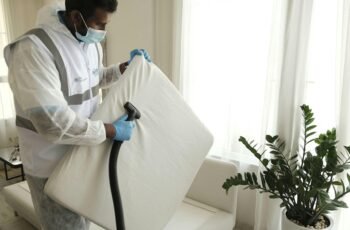
Can you keep your memory foam topper in top condition with simple, bathroom-floor-cleaning know-how? Yes, with careful cleaning and smart maintenance. Never machine-wash; stick to spot cleaning with mild detergent diluted in water, blotting gently and avoiding soaking. For odors or tougher spots, use a 1:1 white vinegar and water mix, then blot. Enzymatic sprays work on stubborn stains—follow directions before blotting. For spills, absorb immediately, then vacuum both sides to remove dust and allergens. Deodorize by sprinkling baking soda, wait hours, then vacuum. Maintain shape by rotating and flipping monthly, and protect with a removable cover. Air out in a ventilated area after changes. Check guidelines to avoid warranty issues, and store flat or loosely rolled when not in use.
Quick Product Comparisons: Top Memory Foam Toppers for Cooling by Sleeper Type
Curious which memory foam topper keeps you coolest, depending on how you sleep? Here’s a quick comparison by sleeper type, using real-world cooling performance to guide your choice.
- Best overall cooling for most sleepers: ViscoSoft Active Cooling Copper Topper – dual-layer copper-infused memory foam and polyfoam deliver strong heat dispersal; medium firmness suits a wide range of positions.
- Luxury option for side or mixed sleepers: Saatva Graphite Memory Foam Topper stays cool with graphite-infused foam and a high-density base; long 180-night trial sweetens the decision.
- Superior cooling for back sleepers: Bear Pro Topper with graphite and perforated foam keeps resting temps lower and offers easy care with a removable cover.
- Specialty option for stomach or pressure-prone sleepers: Layla/Latex-infused or copper-infused toppers balance airflow and cushioning without excessive heat buildup.
Frequently Asked Questions
Where Can I Legally Buy Memory Foam Toppers Directly From Brands?
You can legally buy memory foam toppers directly from brand sites like Tempur-Pedic, ViscoSoft, Coop Sleep Goods, and Nolah, where official product pages promise genuine toppers, warranties, trials, and direct-from-brand purchases without third-party markups.
Are There Retailer-Exclusive Colors or Finishes for Toppers?
Yes—you’ll notice retailer-exclusive colors occasionally pop up, offering unique finishes. You’ll want to compare each retailer’s palette, verify current availability, and weigh how exclusives align with your sleep goals before committing to a topper.
Can Toppers Be Returned to Third-Party Retailers After Purchase?
Yes, you can return toppers to some third-party retailers, but terms vary: many offer comfort exchanges or limited windows, with restocking fees or shipping costs; others restrict refunds entirely. Check each retailer’s policy before purchasing.
Do Toppers Ship Internationally, and What Are Extra Costs?
Some toppers do ship internationally, but many restrict to the Continental US; extra costs vary from international shipping fees to duties, taxes, and handling. Check each seller’s policy, estimated timelines, and total landed cost before buying.
What Financing or Installment Options Exist for Topper Purchases?
You’ve got epic options: 0% APR promos, flexible terms (3–36 months), and soft checks. You can split payments via Shop Pay, Abunda, FlexShopper, or Synchrony; no credit or bad credit accepted in some plans.
Conclusion
As you choose, imagine a quiet dawn breaking through a window your body has learned to trust. A memory foam topper becomes a bridge—between restless nights and restorative rest—its signals like keys to a locked room, guiding you to comfort. Trust brands with clear trials and solid warranties, and heed density, height, and care. When you pick well, the bed you’ve slept through is finally awakened, revealing tomorrow’s glow beneath you.