Ad Blocker Detected
Our website is made possible by displaying online advertisements to our visitors. Please consider supporting us by disabling your ad blocker.
Did you know memory foam toppers can reduce pressure points by up to 30% for many sleepers? You’ll find the setup straightforward if you unpack, expand, and prep the surface correctly, then orient and secure the topper so it won’t shift as you sleep. But the details—like choosing the right side facing up and testing contact—matter, and the next steps could change how well you’ll sleep tonight. Keep going to get it right.
Key Takeaways
- Unpack and let the topper expand on a flat, clean surface per manufacturer guidance, usually 24–48 hours for full recovery.
- Vacuum the bed surface to remove dust, then place the topper lengthwise with the mesh side down and centered.
- Expand on an even support area, smoothing edges and ensuring no twists or burrs before final placement.
- Secure movement with sheets, straps, or non-slip mats; add a deep-pocket sheet and protector for a snug fit.
- Allow the topper to breathe, then test for even support and adjust positioning as needed.
What a Memory Foam Topper Does for Your Bed
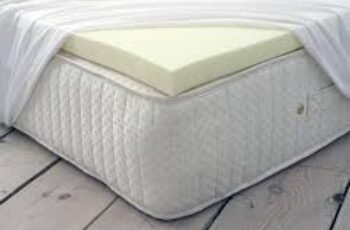
A memory foam topper can significantly alter how your bed feels by contouring to your body and fostering even weight distribution. It redistributes body weight across the mattress surface, reducing pressure on shoulders, hips, and lower back. By alleviating pressure points, it improves blood flow and helps reduce joint and back pain. The low rebound material absorbs pressure rather than bouncing back, so the foam conforms to your contours for sustained support. Thickness recommendations range from 2 to 4 inches based on mattress condition and your needs. Dense structure minimizes motion transfer, keeping disturbances to a minimum when a partner moves. Overall, it enhances comfort, supports deeper sleep, and may contribute to better cognitive function and mood through improved rest.
Unpack, Expand, and Ready the Topper
Have you ever unpacked a memory foam topper and been unsure where to start? Start by removing the topper from its box and plastic, handling it gently to avoid tears or compression damage. Expect a note or instruction sheet inside for reference, and plan box disposal only after confirming all components present. Unroll the vacuum-sealed topper flat on a surface, then cautiously cut the remaining plastic with scissors or a provided opener, avoiding knives to protect the foam. Cut along edges, unfold folded halves immediately. Fully unfold the topper so it lies flat, noting any grip straps on the underside. Expect a thin, compressed state initially, with full expansion taking 24–48 hours. Off-gassing may occur; 48 hours restores optimal height and support.
Prep the Mattress Surface for Even Support
Start by cleaning and inspecting the mattress surface to remove dust, debris, and any damage that could interfere with even support. Ensure the bed area is flat by addressing sags, wrinkles, or uneven foundations and verifying the frame and slats provide consistent support. A dry, smooth, and intact surface sets the stage for uniform topper contact and longevity.
Clean and Inspect Surface
Is the mattress surface ready for an even, supportive layer? Start by removing bedding, then vacuum with a low-suction upholstery attachment to pick up loose debris. Inspect seams and tufts for embedded dirt, and shake the mattress outdoors if lightweight particles remain. Allow an airing period of 30 minutes to dissipate odors. For stains, blot liquid with a white cloth and mild detergent solution, avoiding soaking the foam; use an enzyme cleaner for organic stains, and apply a baking soda paste to odor spots before vacuuming once dry. Deep vacuum using crevice tools along edges, with a soft brush to lift dust, and repeat the process twice if the surface is heavily soiled. Check for tears, lumps, sagging, and discoloration, and confirm dimensions for topper compatibility.
Ensure Flat Bed Area
Before laying down a memory foam topper, ensure the bed surface is flat and even. Start by inspecting the mattress for obvious indentations, sagging, or uneven wear. If you find folds or raised seams, smooth them with your hands and recheck. Use a straightedge or level across the area where the topper will lie to confirm evenness; note any high or low spots. For minor irregularities, rotate the mattress or adjust sheets and foundation to distribute weight more evenly. If you detect substantial dips, consider flipping or replacing the mattress or adding a supportive foundation. Remove debris, dust, and lint before placement. A flat, clean surface minimizes edge creasing and enhances topper alignment, comfort, and durability.
Orient the Topper for Optimal Comfort
Start by aligning the topper so it sits flush with mattress edges and matches its size for even coverage. Ensure the top surface faces the correct direction and lies smooth, without wrinkles or folds that could create pressure points. Confirm there’s full, wrinkle-free contact across the bed to minimize shifting and maximize consistent comfort.
Align Topper Correctly
To align the topper correctly, fit it so the corners match the mattress exactly and the sides run evenly along each edge. Ensure corners align precisely to provide uniform support and minimize shifting during sleep. Check that sides are even to prevent uneven pressure distribution and ensure the topper responds consistently to body weight. Prioritize a wrinkle-free surface by smoothing out any folds after positioning, creating a flat layer that supports spinal alignment. Match the topper to mattress dimensions to avoid overhang or gaps, and align edges neatly on all sides for stability and to prevent bunching. Consider sleeper weight and position to choose an appropriate alignment strategy, then secure with sheets or fasteners to maintain stability throughout the night.
Surface Facing Direction
When placing a memory foam topper, orient the flat side down against the mattress and have the contoured, textured, or quilted side facing upward. This orientation maximizes conformity and enhances sleep quality by ensuring direct contact with the topper’s flat surface, preventing shifting, and providing even support without added padding. Textured, quilted, or contoured faces up improve body molding and joint relief, contributing to longer-lasting performance when used correctly. If you sleep on your side, a softer upper surface cushions shoulders and hips, while a medium to soft firmness supports spinal alignment. For back sleepers, a medium-firm upward side maintains alignment and distributes pressure evenly. Stomach sleepers benefit from firmer, high-density faces up to prevent spinal arching. Overall, choose the side that matches your sleeping position and firmness needs.
Smooth Coverage Essentials
Smooth Coverage Essentials: Orient the topper so the flat, even side contacts the mattress while the textured or contoured face faces upward. You should allow 12-24 hours for full expansion after unpacking; complete height, width, and thickness depend on foam density, and follow manufacturer timelines. Before placing the topper, remove all bedding and vacuum the mattress to ensure even contact and prevent shifting. Center the topper, align with corners, and unroll in the correct bed-size direction so edges sit flush without overhang. Use elastic corner straps or other securing methods to prevent movement, bunching, or gaps. After installation, add a mattress protector if desired, then proceed with standard sheets. Avoid machine washing; spot-treat and air-dry before use.
Secure the Topper to Prevent Movement
Ever wonder how to keep a memory foam topper from sliding? You have several solid options to secure it without fuss. Elastic bands and straps provide immediate friction and anchoring, with nylon straps along edges, adjustable corner straps, and sheet straps adding grip. Anti-slip pads and mats between mattress and topper deliver reliable traction, especially when cut to size or used as non-slip rug pads. Velcro systems offer a clean, reusable hold, while tape options—carpet, rug, or double-sided—anchor edges without residue when applied carefully. Safety pins deliver a quick, low-cost fix, distributed along edges to minimize damage. Choose a method based on mattress type and usage pattern, prioritizing secure fit and ease of removal for cleaning.
Layer With a Protector and Deep-Pocket Sheets
To maximize comfort and protection, layer a mattress protector and a memory foam topper before your final sheet. Place the protector directly on the mattress base, then add the memory foam topper for combined use. Stretch and secure the protector with elastic straps or a fitted-style edge so it won’t interfere with topper contouring. Choose a protector depth that fits the mattress plus topper up to 20 inches, ensuring universal compatibility for hybrid or memory foam beds. Add the deep-pocket sheet over the topper, pulling the elastic edges tight to prevent shifting. A breathable protector and cover maintain airflow while shielding against spills, stains, and allergens. This sequence—protector, topper, sheet—keeps hygiene and comfort without impeding support.
Allow Expansion, Air Out, and Test Support
Why should you allow expansion, air out, and test support before using a memory foam topper? You must let the topper breathe and regain shape to ensure even support. Remove packaging carefully, unroll on a flat surface with the mesh side down, and position it lengthwise on the mattress. Expansion occurs in minutes to 24 hours, with some toppers needing up to 48 hours for full recovery. After unpacking, place the topper on an even surface and expose foam to air to reduce off-gassing odors; vacuum the mattress below to remove dust, and allow breathing time for longevity. Follow the manufacturer’s expansion guidance, then test support by pressing for softness, smoothing corners, and verifying even height, width, and thickness.
Troubleshooting: Common Issues and Quick Fixes
If your memory foam topper isn’t staying put, start with the most common fixes before assuming a bigger problem. Secure the position first with a tightly fitted deep-pocket sheet wrap around both topper and mattress, then add a non-slip mat between mattress and topper. If movement persists, try topper straps or sheet suspenders, or edge fasteners like carpet tape, duct tape, or Velcro at corners. Safety pins can also anchor the cover, using 5–10 large pins per side without harming the mattress. Check orientation: place the smooth or mesh side against the mattress, align lengthwise, and smooth bulges. Confirm thickness falls within 2–4 inches for balanced support; avoid under-2 or over-4 inches to prevent uneven pressure points and excess sinking.
Maintenance and Long-Term Care for Comfort and Longevity
Regular upkeep extends comfort and lifespan by combining routine cleaning, protective measures, and periodic reconditioning. You should vacuum both sides monthly with a soft upholstery brush to remove dust and allergens, using gentle back-and-forth strokes, then vacuum after spot cleaning to remove residue. For spills, spot-clean with a damp cloth and mild detergent, and apply a vinegar–water mix (1:2) for 30 minutes before wiping; dab stains gently to avoid soaking. Rotate the topper every few months and reorient head and feet to reduce indents; fluff toppers as needed and flip if possible. Deodorizations involve baking soda: apply, wait several hours, then vacuum; repeat if odors persist. Use a washable protector, air the topper on dry days, and ensure complete dryness before reuse. Store unused toppers in a dry, ventilated area.
Frequently Asked Questions
How Long Before the Topper Fully Expands After Unpacking?
It fully expands in about 48–72 hours after unpacking, though you’ll start seeing initial expansion in 1–2 hours. Factors like room temperature and topper thickness influence timing; for best results, keep it undisturbed and warm.
Can I Use a Memory Foam Topper on an Adjustable Bed?
Yes, you can, but choose a thin, flexible topper under 14 inches, ensure it’s memory foam designed for adjustable bases, and verify compatibility with your bed’s warranty. Use anchor bands and avoid oversized, non-flexible toppers.
Is a Protector Necessary Between Topper and Mattress?
No, a protector isn’t strictly necessary between topper and mattress. But it lengthens topper life, keeps things clean, and reduces sliding; using one is recommended for hygiene and durability, especially if liquids or allergens are concerns.
Do Toppers Emit Odors After Unboxing and How to Mitigate?
Yes, toppers emit odors after unboxing. To mitigate, ventilate the room, remove the cover to let foam breathe, use fans, open windows, and consider a protector; allow 24–48 hours for off-gassing before sleeping on it.
Will Topper Affect Bed Height With Fitted Sheets?
Yes, the topper will raise bed height. If you add 3 inches to a 10-inch mattress, total height becomes about 13 inches, still manageable with standard sheets; thicker toppers push past 14 inches, needing deep-pocket sheets.
Conclusion
You can wrap up by noting that a memory foam topper improves support when prepared and placed correctly, then tested for comfort. If it settles unevenly, adjust alignment and secure with a non-slip layer. Ventilate before use, allow full expansion, and test support after several nights. Think of it as fine-tuning a performance: small adjustments yield a solid, balanced result. With proper care, longevity follows—your bed stays aligned, cushions stay responsive, and nights feel consistently restorative.