Ad Blocker Detected
Our website is made possible by displaying online advertisements to our visitors. Please consider supporting us by disabling your ad blocker.
You’re considering a memory foam topper to extend your mattress’s life and comfort, but the right choice depends on your weight, sleep position, and budget. Start by matching thickness and density to how you sleep and how worn your mattress feels, then weigh cooling features, certifications, and a breathable cover against price. With careful filtering—size, straps, and warranty—you’ll narrow to a solid option; a practical decision now can influence nights to come, if you know what to prioritize next.
Key Takeaways
- Identify your sleep position and goal (pressure relief for side sleepers; firmness for back/stomach sleepers) to choose appropriate thickness and density.
- Check density (3-5 PCF for average weight; 5-6 PCF for heavier users) to prevent bottoming out and improve durability.
- Prioritize cooling features (gel, graphite, or breathable covers) to maintain comfort and avoid heat buildup.
- Verify fit and stability (secure-fit straps or built-in straps; removable, washable cover) to prevent sliding on your mattress.
- Assess certifications and value (CertiPUR-US, reasonable pricing, sleep trials) to ensure safety and good long-term value.
What Memory Foam Toppers Are and Who They Help
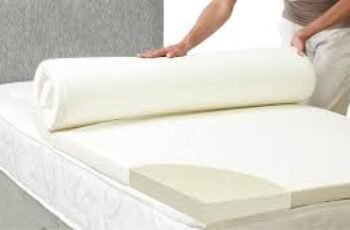
What exactly are memory foam toppers, and who can they help? You’re looking at a memory foam layer, typically 1-3 inches thick, that covers your bed surface and rests on your existing mattress. Also called a memory foam pad, it’s made of viscoelastic material and acts as a cushioning layer between you and the foundation. You don’t need to replace the whole mattress to gain comfort. Use it to soften a too-firm surface, add support to a saggy one, or fix uneven spots without buying anew. It’s especially helpful if you have joint or pain concerns—hip, shoulder, or knee comfort improves with targeted pressure relief and better spinal alignment. Portable options suit dorms, RVs, or guest beds, while motion transfer benefits may suit couples.
Memory Foam Types and the Benefits Each Offers
Memory foam toppers come in several formulations, each with its own benefits for comfort, support, and temperature regulation. Traditional memory foam contours to your body, easing pressure on shoulders and hips, and blocks motion for fewer partner disturbances, but it can trap heat and may off-gas initially. Gel-infused foam adds heat-dissipation without sacrificing contouring, with high-density options for firmer plushness and ventilated designs that improve airflow. Graphite-infused foam dissipates heat and offers slow-moving contouring suited for back and side sleepers, with thicker profiles enhancing pressure relief and breathability when paired with breathable covers. Copper-infused variants aim to prevent overheating and support spine alignment through layered construction, plus washable cooling covers. Plant-based foams emphasize durability, cooler performance, and safety, delivering tailored pressure relief with reduced heat retention.
How Thick and Dense Your Topper Should Be for Your Weight and Bed
You’ll want to weigh how thickness and density translate to support for your weight and bed condition, using the guidelines above as a starting point. For lighter sleepers, 1-2 inches may suffice, while average and heavier weights often benefit from 2-3 inches or more, depending on position and comfort needs. In practice, balance density for durability with the thickness that alleviates pressure without causing excessive sinking or bottoming out.
Weight-Based Density Guidelines
Wondering how thick and dense your memory foam topper should be based on your weight? For lighter sleepers under 130 pounds, choose a topper 1 to 2 inches thick with low-density foam (under 3 PCF) to prevent excessive sinking while still offering relief. A 120-pound person can still conform well to higher-density options, and queen toppers in this category usually weigh 5 to 10 pounds, keeping heat retention in check. For 130 to 230 pounds, aim for 2 to 2.5 inches of medium density (3 to 5 PCF) for balanced support and contouring; expect queen toppers to weigh 15 to 30 pounds. Those over 200 pounds benefit from 3 to 4 inches with high-density foam (5–6 PCF) to avoid bottoming out, with heavier toppers and thicker total mattress construction aiding support.
Thickness Versus Support Tradeoffs
Thickness and support are tightly connected: the thicker a memory foam topper is, the more it can contour to your body, but also the more it may sink and trap heat, especially if the foam is high-density. In practice, toppers range from 2 to 4 inches, with 2 inches adding soft comfort, 3 inches offering moderate cushioning, and 4 inches delivering maximum support. Thickness affects sinking: a 4-inch topper contours more than a 2-inch one, producing deeper indentations under pressure. For sleep positions, side sleepers often need about 4 inches for spinal alignment, while back sleepers typically fare with 2–3 inches. For older, firmer, or worn beds, 3–4 inches can rejuvenate comfort. Hot sleepers should favor thinner or breathable materials to minimize heat buildup.
Which Firmness Fits Your Sleep Position and Goals
If you’re a side sleeper, aim for a medium to medium-firm feel (about 5-6), with lighter bodies possibly comfortable at 4 or softer and heavier sleepers tolerating up to 7. Back sleepers benefit from a similar range but slight firmness nudges upward for support, often 6-7, with heavier individuals needing up to 8 for proper alignment. Stomach sleepers typically require firmer toppers (6-8) to prevent sagging, while density and contouring will influence pressure relief and spinal alignment across positions.
Side Sleep Firmness Guide
Choosing the right firmness for side sleeping is crucial because it balances plush comfort with essential spinal support. For side sleepers, soft to medium-firm toppers deliver the best mix of cushioning and alignment. Soft toppers (around 5.5/10) ease mattresses that feel too rigid, while medium firmness (about 5/10) suits combination sleepers shifting positions. Medium-soft options (4/10) help those under 130 pounds. Pressure relief targets shoulders and hips as memory foam contours your curves, with high-density foam preventing bottoming out and slow-moving foam creating a cloud-like feel. For heavier sleepers, extra-firm toppers (8/10) still cushion joints without sacrificing alignment. Thickness and material choice refine outcomes, with 2–4 inch ranges common and gel-infused memory foam reducing heat buildup.
- Ideal for side sleepers: soft to medium-firm toppers
- Memory foam contours for targeted pressure relief
- High-density foam prevents bottoming out
- Consider thickness and heat-dissipating materials
Back Sleep Support Balance
Back sleepers benefit from a firmness level that supports their natural spine curve without letting the hips sag. You’re balancing structure with conforming, using mid-firm toppers around 6-7/10 for neutral alignment. Mid-firm prevents midsection sink while still offering comfortable contouring, and dense memory foam cradles the lower back to promote healthy posture. If you prefer a bit more support, a firm (7) memory foam feel gives light contour and pushback; for heavier torsos, extra-firm latex (8-10/10) keeps the torso plane even and reduces neck strain. Luxury firm AirFoam adds elevation and pressure relief without deep sag. Remember weight, thickness, and material—gel or graphite-infused foams aid cooling and maintain alignment, while staying mindful of individual goals and durability.
Stomach Sleep Contouring Needs
To support a neutral spine when you sleep on your stomach, you generally need a firmer surface that prevents midsection sink and keeps the hips from dropping toward the mattress. You’ll benefit from medium-firm to firm toppers, which reduce back and neck pain by preventing excessive sinking and maintaining neutral alignment. Adequate midsection support matters more than deep contouring, and very firm foam helps you hold position all night. Heavier sleepers need extra firmness to avoid sag, while lighter sleepers may perceive firmness differently. Weight distribution also shapes comfort, so choose an option that suits your body type and pressure points without compromising alignment.
- Medium-firm to firm toppers prevent midsection sinking and back/neck pain
- Proper spinal alignment depends on midsection support over deep contouring
- Firm surface maintains neutral spine throughout the night
- Weight-dependent firmness is key for stomach sleepers
Key Features to Verify Before Buying (Straps, Covers, Cooling, Certifications)
Curious how to pick the right memory foam topper without buying the wrong features? Start with straps, since secure fit straps attach to corners to prevent sliding, and sheet straps clip onto edges, tucking under the mattress for stability. Many toppers include built-in strap systems for no-slip performance, which helps restless sleepers and combination positions; adjustable straps fit depths up to 16 inches. Next, consider covers: washable, removable covers simplify cleaning and hygiene, while fitted covers arrive pre-attached for seamless use. Quilted covers add plushness, and breathable fabrics boost airflow, extending foam life by protecting it from spills. For cooling, look at gel-infused foams, copper-infused layers, and breathable options like Dusk. Certifications matter too—high-density foams, strong reviews, sleep trials, and proven stability features signal durability and comfort.
How to Budget and Compare Toppers for Value
So, how can you budget effectively while still getting solid value from a memory foam topper? Start with the price tiers to set expectations: queen toppers range from under $100 to luxury levels, with mid-range ($100-$300) offering the best balance. Look for sales, as items like LUCID often dip under $100, and compare MSRP to frequent deals rather than paying full luxury price. Use rating systems as guides—high value often means a strong 4-star price-to-quality balance, while exceptional value earns 5 stars. Verify cooling, certifications, and breathability to ensure comfort without waste. Align choices with goals—cooling for hot sleepers, durability for long use, and permeability for airflow.
- Budget-first narrowing before firmness or position
- Prioritize sales and discount patterns
- Balance cost with cooling and durability
- Check CertiPUR-US and top-value examples
A Simple, Step-by-Step Framework to Pick Your Topper
Ever wonder how to choose a memory foam topper without overthinking it? Follow this straightforward framework to pick confidently. Start by assessing your mattress and needs: if your bed lacks contour, a topper helps; a 2-inch profile suits mild wear, while heavier use may need more. Match firmness and density to your sleeping position and weight for balanced support; density guides durability, firmness guides feel. Then choose thickness and size: 2 inches cushions; 3 inches provides adaptive support; measure your mattress size exactly to select twin, full, queen, or king. Factor cooling and materials, like gel or copper infusions, and CertiPUR-US certification. Finally, check attachments and warranty to prevent slipping and ensure coverage.
| Focus | Tip |
|---|---|
| Contour needs | Prefer 2″ if slight wear; 3″ for heavier use |
| Certification | Look for CertiPUR-US and breathable covers |
Frequently Asked Questions
How Long Will a Memory Foam Topper Last With Daily Use?
A memory foam topper lasts about 3-4 years with daily use, though high-quality 5-year toppers may approach five years. Rotate every 3 months, monitor for sagging, and replace after 5 years regardless of condition for best support.
Can Topper Thickness Cause Mattress Warranty Issues?
Yes, topper thickness can influence warranty if you choose low-density foam; ensure high-density material and proper support. Otherwise, improper foundation or alterations may void coverage; use original purchaser terms and follow installation to preserve warranty validity.
Do Toppers Affect Bed Height or Fitted Sheets Fit?
Yes, toppers raise bed height and can affect fitted sheet fit. Thicker toppers increase height, sometimes requiring deep-pocket sheets; 2 inches fits most setups, while 3–4 inches need larger pockets and careful sheet selection for secure fit.
Are There Off-Gassing Concerns After Unboxing a Topper?
Yes, there can be off-gassing after unboxing. For example, you’ll notice a chemical smell fading in 3–7 days with good ventilation; CertiPUR-US foams emit low VOCs, while irritation may occur for sensitive individuals.
What’s the Best Way to Test Firmness at Home Quickly?
Test firmness quickly by using the palm pressure, lying briefly in multiple positions, and noting rebound, sinkage, and spinal comfort. Compare surfaces and toppers side-by-side, rating 1–10, then choose the feel that maintains neutral alignment.
Conclusion
You’ve got the core moves to choose a topper that fits your sleep and budget. Remember: the right thickness and density reduce pressure points without overheating, and CertiPUR-US plus a breathable cover matter for longevity. A surprising stat: up to 30% of sleep quality can improve when your mattress feels consistently supportive. Compare layers, verify cooling and certifications, and pick a size-matching topper with solid straps and warranty to lock in comfort.