Ad Blocker Detected
Our website is made possible by displaying online advertisements to our visitors. Please consider supporting us by disabling your ad blocker.
A recent study shows memory foam off-gassing can linger for up to 3 days, depending on room conditions. You’ll want to unroll the topper on a flat, ventilated surface and remove the plastic immediately to kick off the process. Keep the area well‑lit and use fans to move air, raise the temp a touch if you can, and rotate the topper every so often. If you want practical steps and speed up the timeline, you’ll find it worthwhile to keep going.
Key Takeaways
- Choose a well-ventilated space and avoid humidity-prone areas; use fans to circulate air around the topper during setup.
- Unpack, unroll flat with the mesh side oriented correctly, and remove plastic to speed up off-gassing.
- Expand on a flat surface and monitor expansion, letting gaps close while maintaining airflow to the edges.
- Employ low-heat methods and light pressure near the edges to accelerate expansion without damaging the foam.
- If odors or symptoms persist past 72 hours, consider replacement or verify certifications like CertiPUR-US and GREENGUARD Gold.
Identify Off-Gassing Signals and Odor Intensity
You’ll likely notice a “new mattress smell” when you first unbox a memory foam topper. That odor comes from VOCs released during manufacturing and shipping, giving a factory-like scent. Expect intensity to vary: cheaper or adhesive-heavy foams emit stronger aromas than certified foams. If you’re choosing, CertiPUR-US certification suggests a minor, short-lived odor compared with uncertified materials. Some proprietary foams, like AirFoam, claim milder emissions and quicker dissipation, typically fading within 24 to 48 hours. Adhesives also contribute, even water-based glues, so a subtle smell may linger. Eye, nose, and throat irritation, headaches, or dizziness signal exposure, especially in poorly ventilated spaces. If symptoms occur, extend airing time and improve ventilation before use.
Prepare Your Space for Safe, Effective Airing
How you set up the space matters. Choose a well-ventilated location—open rooms or an outdoor tarp, or an open garage—so trapped VOCs dissipate quickly. Avoid humid closets and hot attics; they trap moisture and heat. Optimize air circulation with strategically placed fans: across the bed, on the ceiling, or as oscillating units to direct airflow along the topper. Consider floor fans at the foot of the bed to push cooler air upward. Daily flipping or suspending the topper on a chair improves ventilation on both sides. Remove plastic wrap immediately to speed off-gassing, and unroll rather than keeping it compressed to aid expansion. Monitor temperature and keep moisture low; stay vigilant about even exposure and airflow.
Follow a Step-by-Step Airing and Expansion Plan
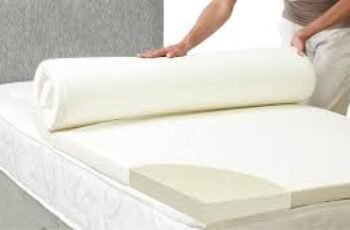
To start the airing and expansion process, unpack the topper safely and prepare the area for rapid off-gassing. You’ll cut outer plastic carefully, remove the vacuum wrap, and unfold the topper with the mesh side down for initial expansion. Place it on a flat surface to avoid cuts or punctures and keep sharp tools away.
2-Column Table:
| Step | Action |
|---|---|
| Unpack | Safely remove packaging and unroll flat |
| Position | Mesh side down, align with mattress direction |
| Expand | Let it rest on a flat, ventilated surface |
| Monitor | Check for full expansion as gaps close |
| Odors | Off-gassing odor dissipates within 24–72 hours |
Now ensure even height and width, then, after expansion, remove bedding, vacuum the mattress, and set the topper flat and centered.
Apply Proven Acceleration Techniques for Faster Relief
Heat speeds up memory foam expansion, so use warmth strategically to accelerate relief. To start, apply heat lightly to compressed areas with a low-heat hair dryer, directing along edges to lower viscosity and boost rebound. Temporarily raise the bedroom temperature to soften the foam and improve pliability, then pair warmth with an unrolled, flat surface to maximize air-pocket expansion. Use airflow by placing the topper in a well-ventilated area, focusing on perimeter edges and corners, and rotate it 180 degrees after initial expansion to shift pressure points. Apply light, consistent hand pressure to edges and corners, and work persistent flat sections with finger pressure for the last inch. Combine heat, airflow, and gentle manipulation for a faster, balanced recovery.
Replace or Certify: How to Decide and What to Ask
When deciding whether to replace or certify your memory foam topper, start by checking durability and emissions indicators: if off-gassing persists beyond 72 hours, if sagging exceeds 1 inch, or if health symptoms appear after airing, replacement is warranted; otherwise, verify certifications to ensure low VOC emissions and safe materials. You’ll assess CertiPUR-US presence for formaldehyde, mercury, lead, and flame retardants, and confirm low VOCs via independent testing. Check OEKO-TEX Standard 100 for fabric safety, and GREENGUARD Gold suitability for sensitive users. Verify recertification cadence—twice in the first year, then annually—using the official directory and direct manufacturer confirmation. Ask: is foam exclusively CertiPUR-US certified? latest certification date and link? origin USA-made or imported?
Frequently Asked Questions
How Long Until the Topper Fully Expands After Unboxing?
You’ll typically see full expansion in 24–72 hours after unboxing, depending on thickness and room temperature. If you want faster results, keep it warm (around 68°F/20°C+), avoid compressing it, and let it breathe fully.
Can I Air Out a Topper Outdoors Safely?
Yes, you can. Think of your topper as a kite tethered to a tarp; outdoor air, a steady breeze, and a fan accelerate off-gassing, while rain or humidity pause operation and protect it with proper shelter.
Is It Safe to Use Baking Soda on Memory Foam?
Yes, it’s safe. You sprinkle a light layer, wait 8 hours, then vacuum thoroughly. It absorbs moisture and odors without damaging foam; avoid soaking, ensure complete removal, and air out afterward to dry fully.
Do Certipur-Us Certs Guarantee No Odors?
No, CertiPUR-US certs don’t guarantee zero odors. They limit VOCs and chemicals, but some off-gassing can persist. You should ventilate, monitor odor, and confirm with the manufacturer for any lingering smells or room impact.
Should I Return or Replace if Odors Persist After Airing?
If odors persist after airing, you should return or request a replacement. It’s a red flag you’re not getting off-gassed properly. If needed, document steps, consult the manufacturer, and act quickly to avoid wasted nights. Bite the bullet.
Conclusion
You’ve got this. As you air out a memory foam topper, you’ll notice the scent fade with air flow, patience, and a little heat. Keep the space ventilated, remove plastic promptly, and rotate the topper to speed dissipation. In about 24–72 hours, most odors should drop to a faint whisper. If it lingers, consider a fresh seal or a test wash. It’s like unboxing a new gadget in a dusty attic—refreshing, purposeful, and oddly satisfying.